
Lizard

- CLASS: Reptilia (Reptiles)
- ORDER: Squamata
- FAMILIES: 16
- GENERA: More than 380
- SPECIES: More than 4,675
ABOUT
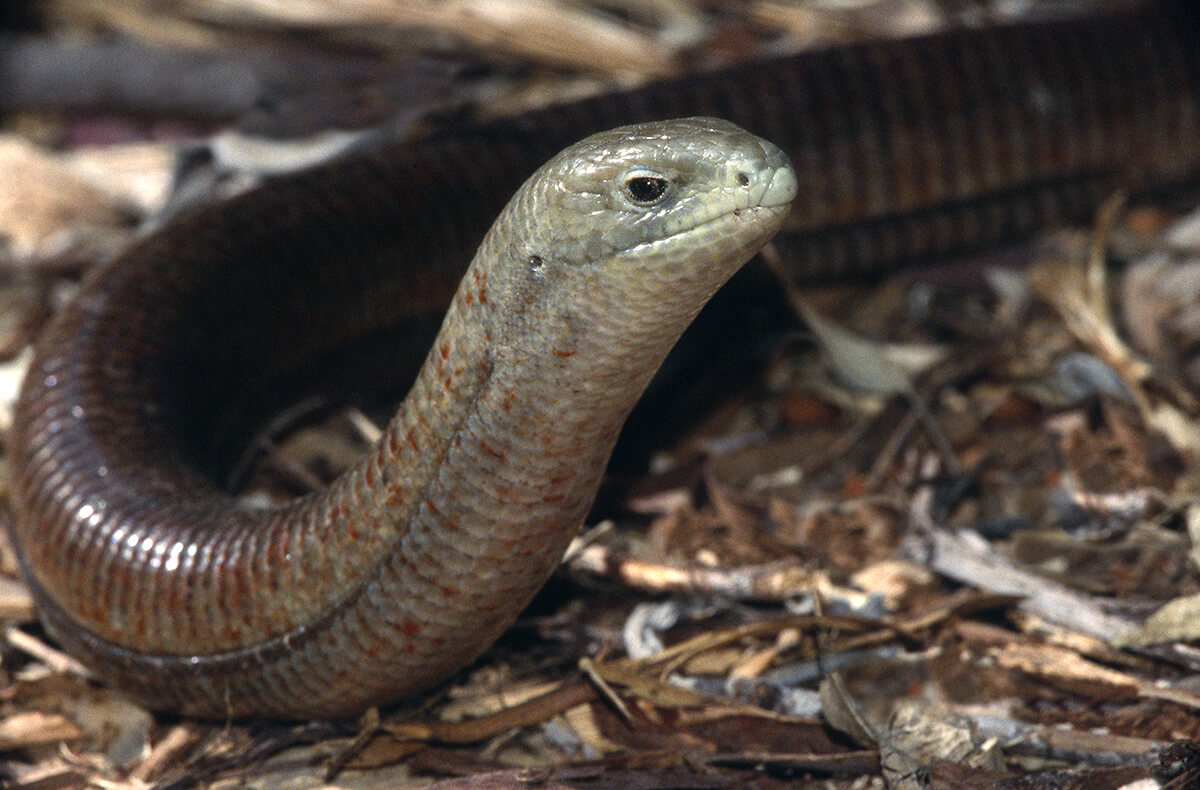
Lizards are reptiles and are most closely related to snakes. In fact, some lizards, called sheltopusiks, look like snakes because they don’t have legs. Many lizards today resemble the ancient reptiles of the dinosaur era. Their ancestors appeared on Earth over 200 million years ago.
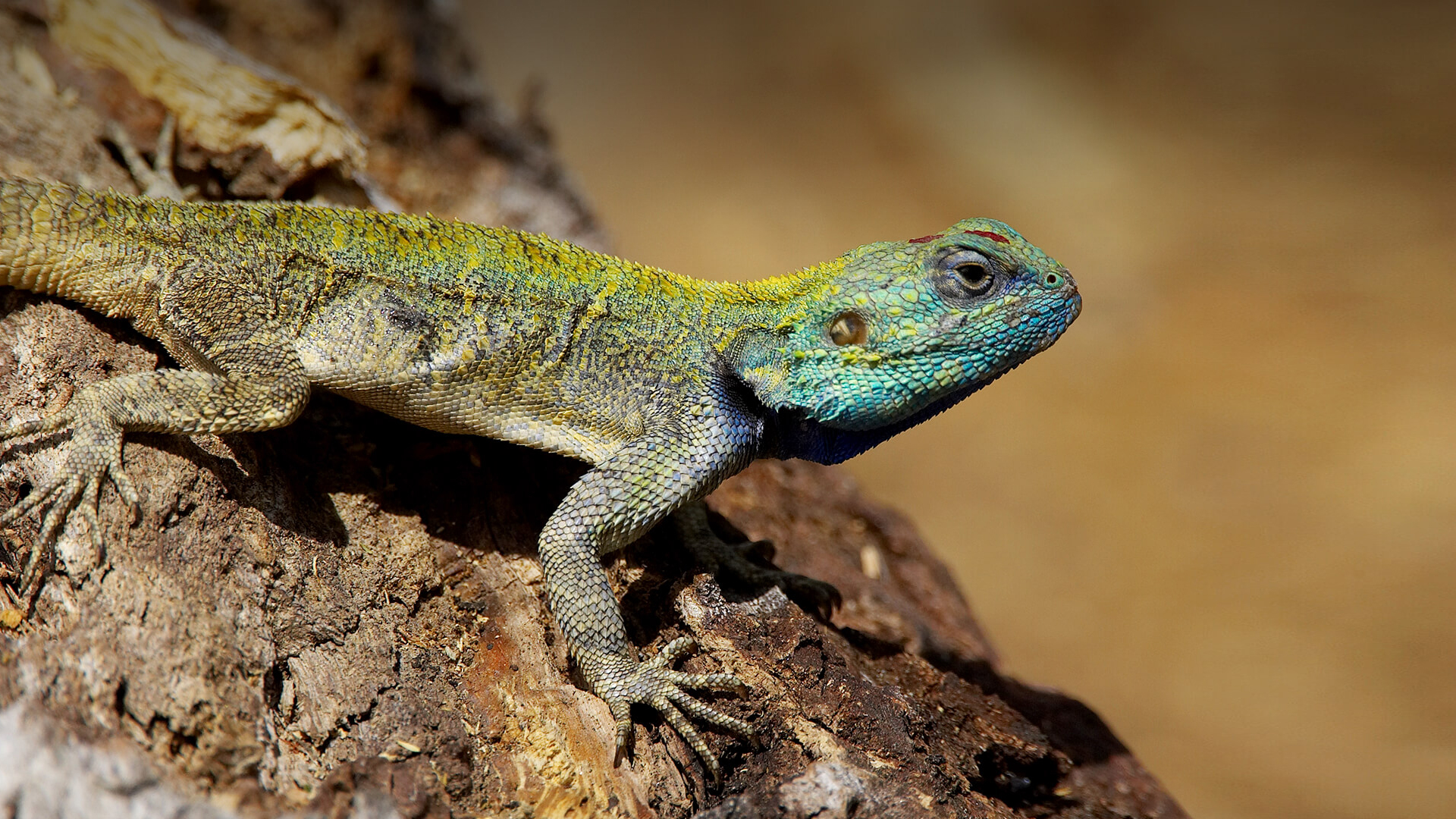
In general, lizards have a small head, short neck, and long body and tail. Unlike snakes, most lizards have moveable eyelids. There are currently over 4,675 lizard species, including iguanas, chameleons, geckos, Gila monsters, monitors, and skinks.
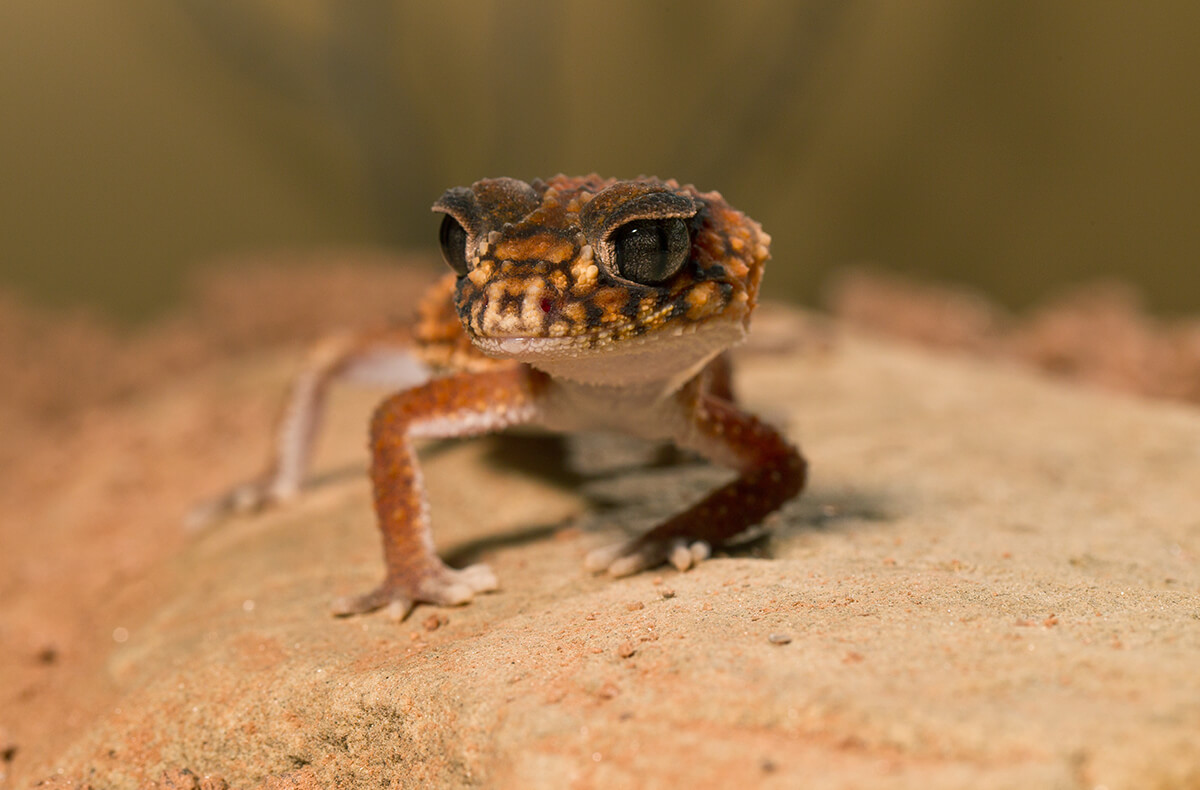
Unlike snakes, most lizards have eyelids, just like we do, that clean and protect their eyes when they blink. But some lizards, like geckos, can’t blink. Instead, they have a clear membrane that shields their eyes from dirt or bright sun and use their tongue to clean their eyes. Many lizards, such as iguanas, can see in color. Their colorful body parts allow them to communicate with each other and help them tell which are male and which are female.
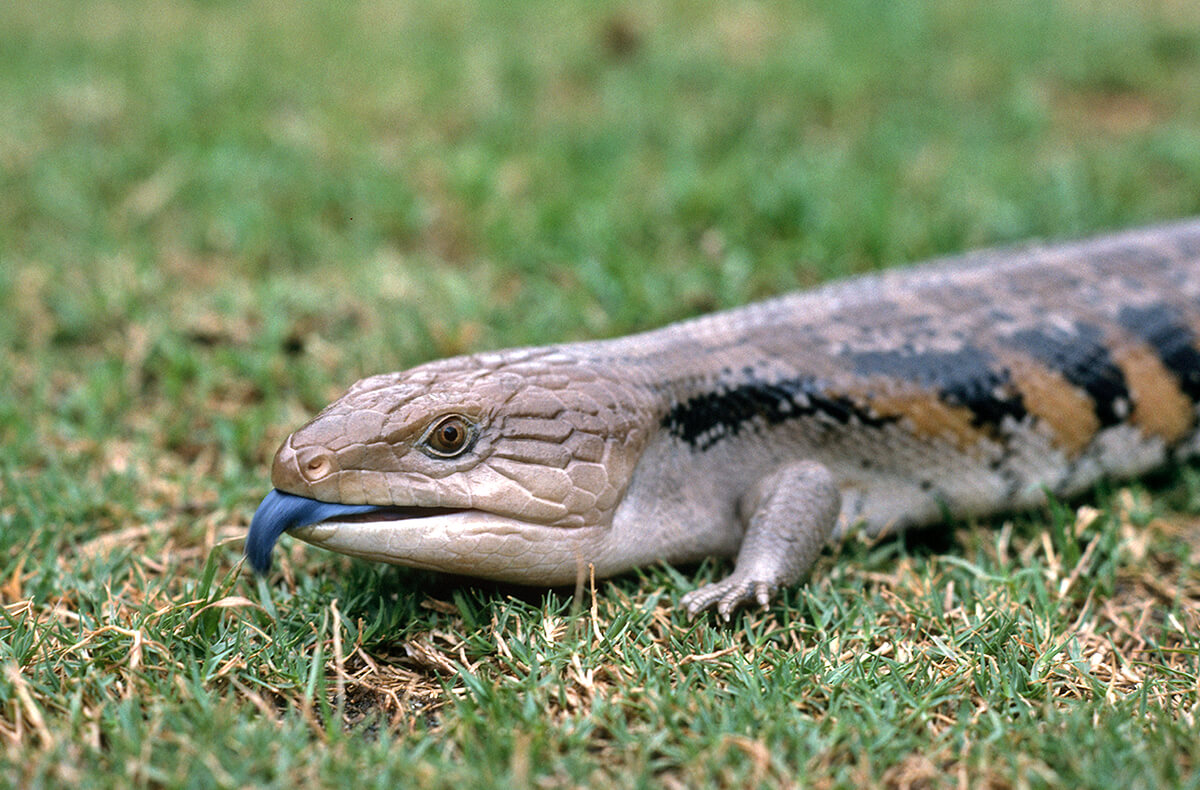
Lizards smell with their tongues. Just like snakes, a lizard sticks out its tongue to catch scent particles in the air and then pulls back its tongue and places those particles on the roof of its mouth, where there are special sensory cells. The lizard can use these scent “clues” to find food or a mate or to detect enemies.
Lizards don’t have earflaps like mammals do. Instead, they have visible ear openings to catch sound, and their eardrums are just below the surface of their skin. Even so, lizards can’t hear as well as we do, but their hearing is better than that of snakes.
Lizards have dry, scaly skin that does not grow with their bodies. Instead, most lizards shed, or molt, their old skin in large flakes to make way for the new skin growth underneath. The exception to this is with the alligator lizard, which may shed its skin in one piece, like a snake. The scales on lizards vary, depending on their habitat. Skinks have smooth scales so mud won’t cling to them; some lizard species have bony plates, called osteoderms, under their scales for added protection against rough terrain.
Lizards are popular prey for many types of predators, from birds of prey to snakes and carnivorous mammals. Their camouflage and ability to stay still for hours helps keep them safe. Several types of lizards are able to escape from an enemy’s grasp by breaking off part of their own tail. The tail has a weak spot just for this purpose. If a predator grabs the lizard by its tail, the tail easily comes off. It can grow back over time, although the tail won’t look quite the same.
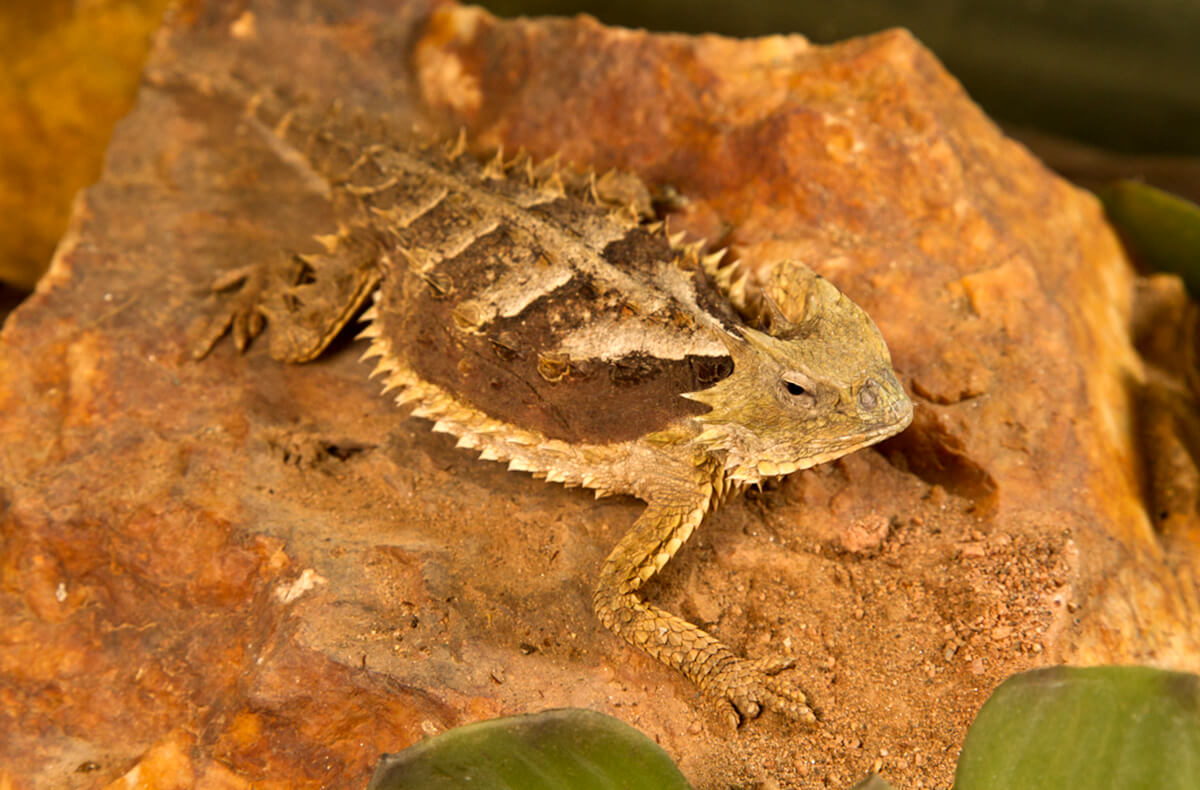
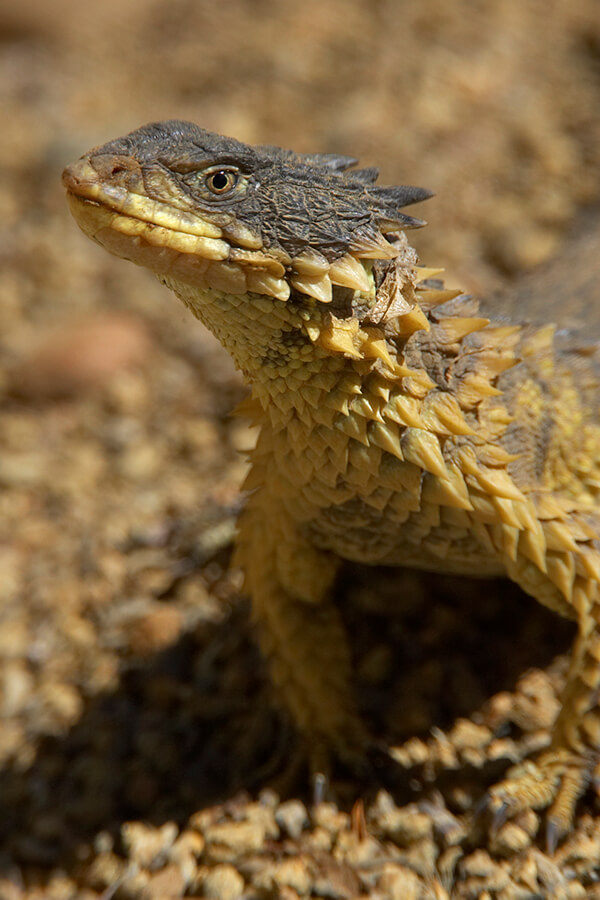
Other lizards have different ways to stay safe. Horned lizards are able to squirt blood from tiny blood vessels in their eyes to scare away or confuse a predator. The armadillo lizard has sharp, spiky scales and can roll up into a tight ball to protect its soft belly from attack. The sungazer lizard has impressive spikes that cover its body, including the tail. The alligator lizard bites, thrashes about to get loose, or excretes foul-smelling feces. The tropical girdled lizard darts into a crack, expands its body, and lodges itself in so tightly that a predator can’t remove it.
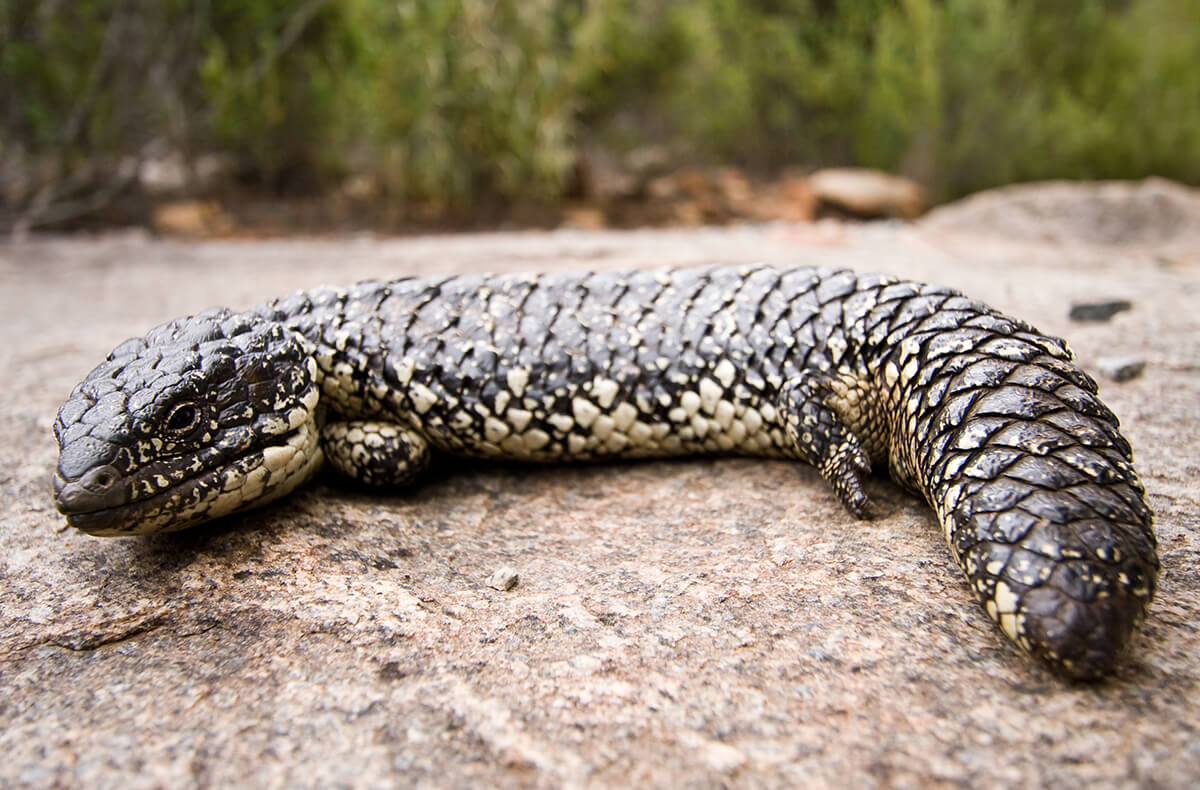
The shingle-backed skink is eye-catching for its unusual physiology. Its fat, wide tail closely resembles its head. If confronted by a predator, the skink bends its body into a C shape, which confuses the predator because it appears as if the skink has two heads. The Australian frilled lizard has a “frill” of loose skin around its neck that can stick out when the lizard is frightened. This makes the lizard look much bigger than it really is, and a predator may decide to look for smaller prey. If that doesn’t work, the lizard runs away on its hind feet.
HABITAT AND DIET
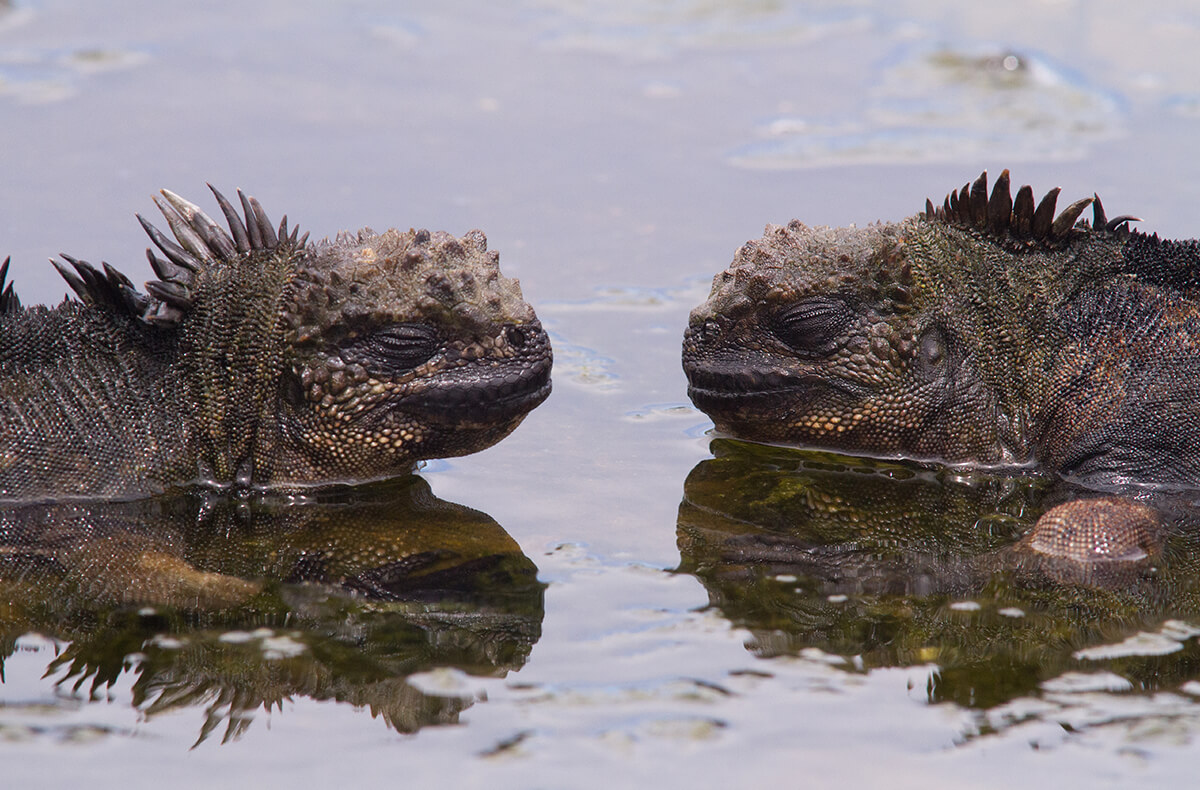
Lizards can be found on every continent except Antarctica, and they live in all habitats except extremely cold areas and deep oceans. Most lizards live on the ground, but others can be found making their home in a tree, in a burrow, or in the water. Tree dwellers have special toes: long with sharp claws or short and wide. They often have a prehensile tail for grasping thin branches. Those that live in a burrow tend to have smaller legs, or none at all, to help them move underground more easily. Marine iguanas spend much of their lives underwater, although they come to shore to rest on rocks or a sandy beach. Desert dwellers, like the ground gecko, usually sleep during the day underneath the warm sand and then come out when the sun has gone down.
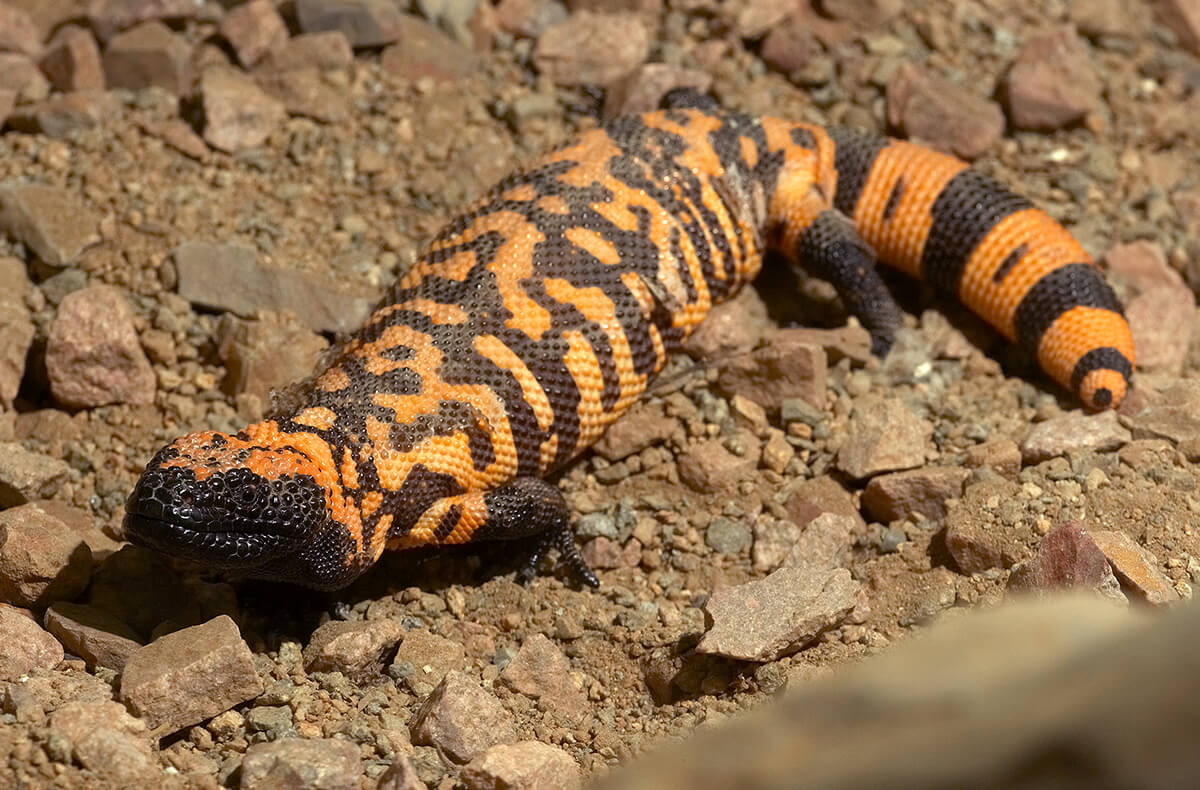
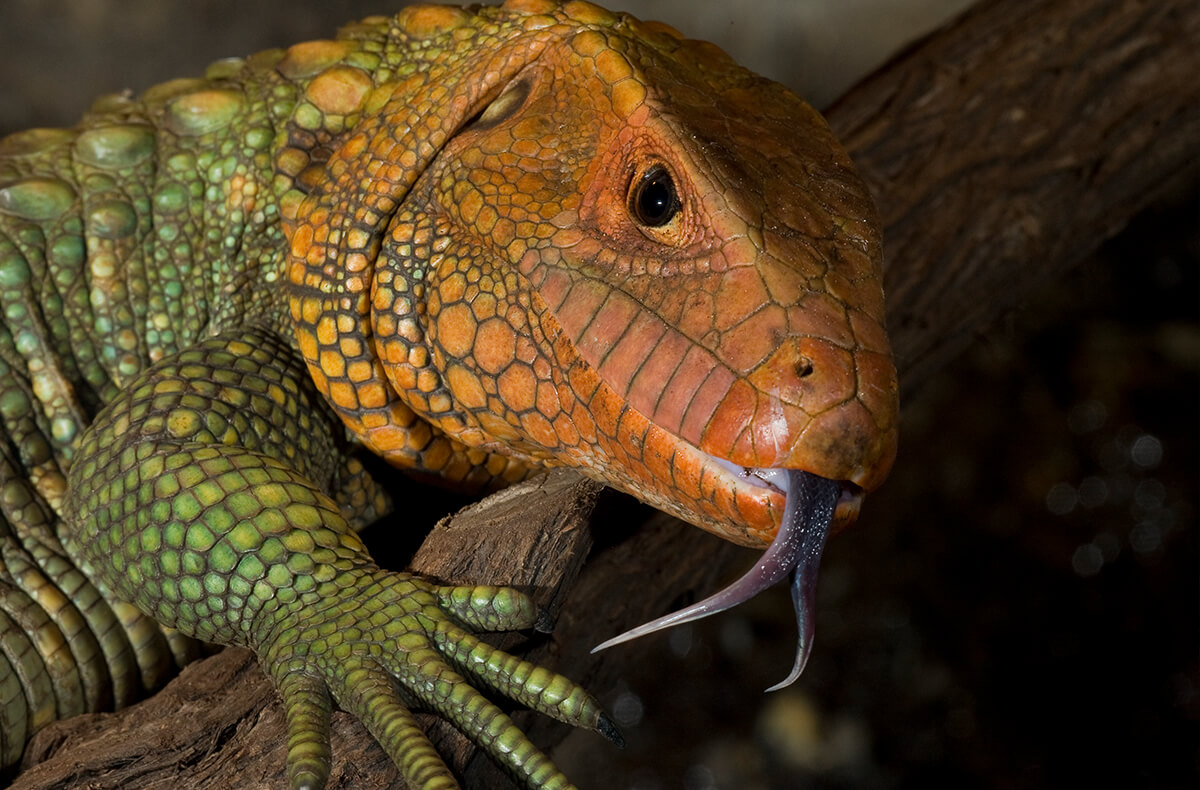
Different lizard species eat different types of food. Some are predators, eating mammals, birds, and other reptiles. Others are mainly vegetarian, eating leaves, fruits, and flowers. Two are venomous: the Gila monster and the Mexican beaded lizard. Caiman lizards prey on snails and other mollusks. Most lizard species prey on insects using their long, sticky tongues to catch them.
FAMILY LIFE
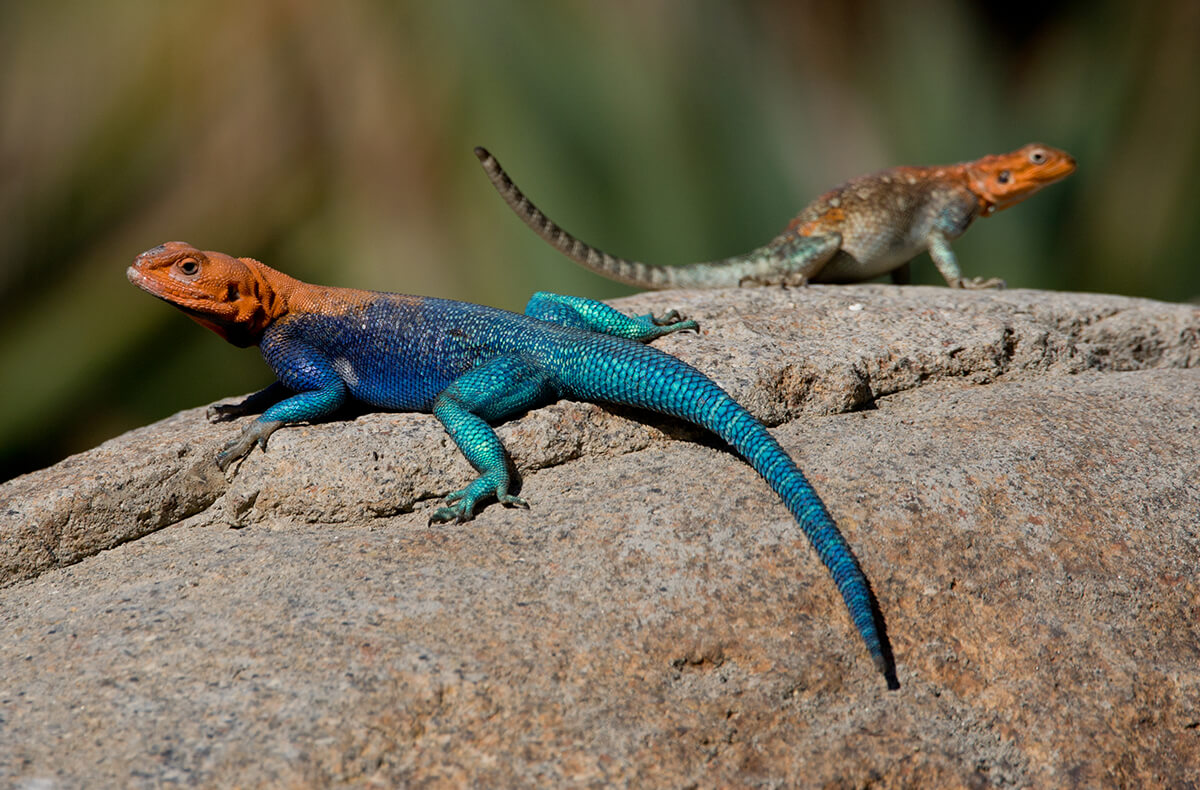
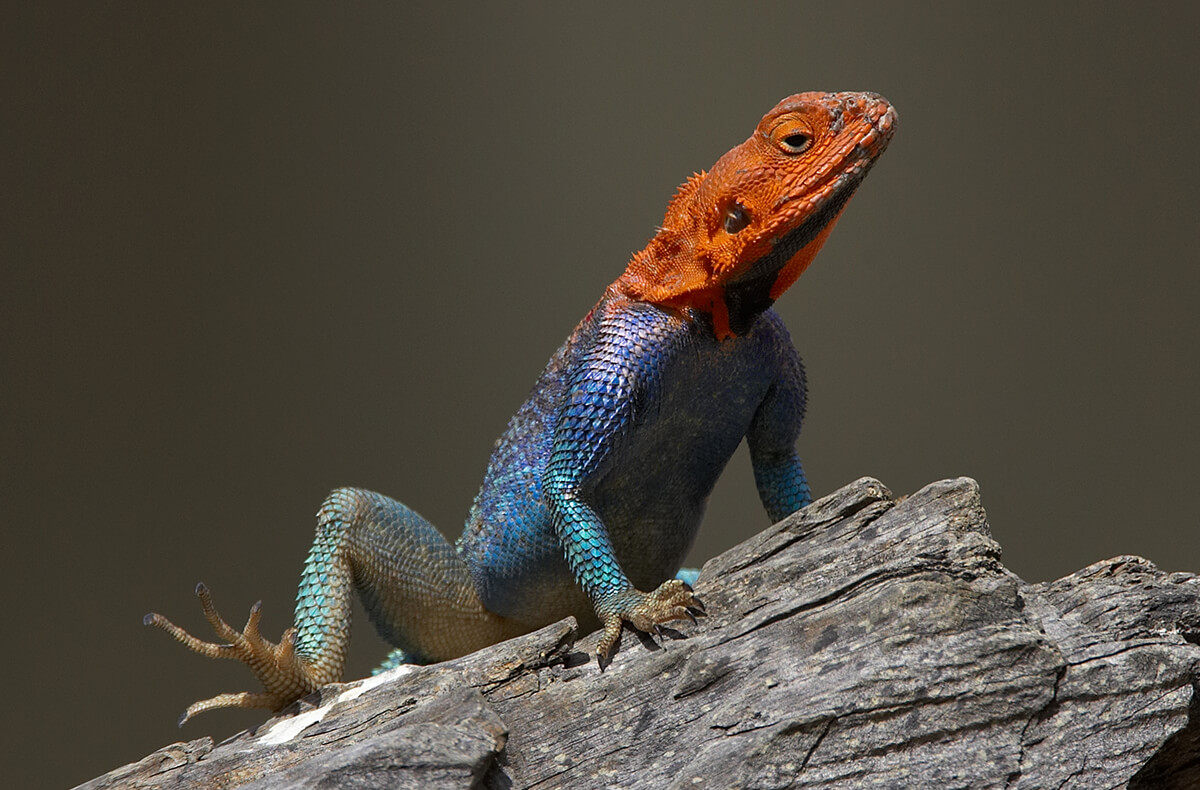
Male lizards use a variety of methods to attract a female's attention. They bob their head vigorously or display their brightest colors or best features. The green anole lizard inflates a rust-colored throat sack, called a dewlap, to win over the lady of his choice, sometimes keeping up this display for hours. Red-headed agamas are African lizards with brown skin. But when the male needs to make sure others see him, his head turns fiery red and his body and tail change to a bright, shiny blue. Other males may fight with each other until the weaker one gives up.
Most female lizards lay soft, leathery eggs and leave—they don’t stick around to protect the eggs from harm or keep them warm. Fortunately, the newly hatched lizards are able to take care of themselves right away, without the mother’s help. Of course, there are exceptions to soft eggs and lack of care in the lizard world.
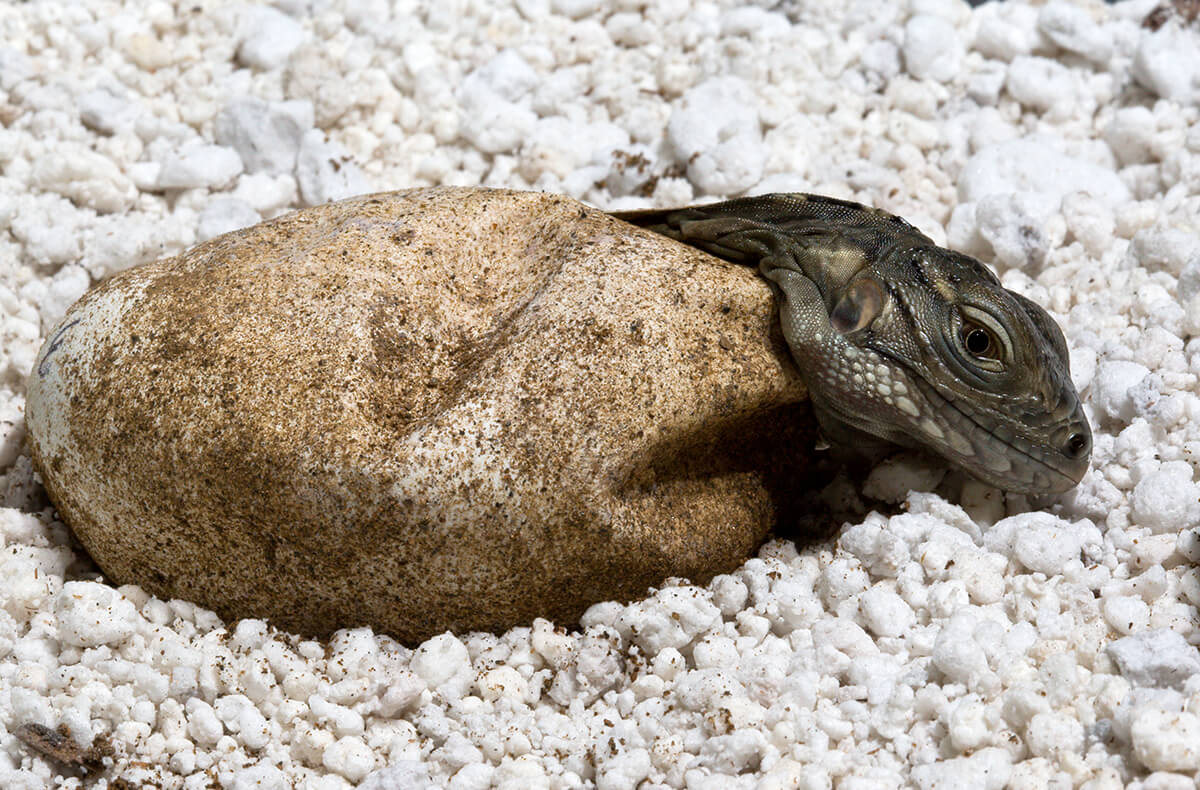
The tokay gecko lays soft eggs that harden in the dry air and stick to the surface on which they were laid. The sandstone gecko lays eggs in rocky crevices, so these eggs have a tough cover. The Nile monitor lizard lays her eggs in termite mounds. The heat from the termites in the mound helps incubate the eggs. Some skink mothers return to the nest to warm their eggs, and some female skinks give birth to live young.
No matter what the circumstances of their start in life, baby lizards look like tiny versions of their parents.
CONSERVATION
Around the world, many lizard species are threatened by invasive species, habitat loss, and poaching for the international exotic pet trade. Pet lizards—like all pets—should only be obtained from reputable sources and rescue organizations. Removing wildlife from the native ranges not only adversely affects that species, it threatens the whole local ecosystem. San Diego Zoo Wildlife Alliance is a leader in the fight against illegal wildlife trafficking.
At San Diego Zoo Wildlife Alliance’s state-of-the-art Kenneth C. and Anne D. Griffin Reptile Conservation Center, we have succeeded in boosting the population of the most critically endangered iguanas in the world, the Caribbean rock iguanas. We have been involved with Caribbean iguana conservation and recovery programs for almost two decades, establishing breeding facilities for five of the most endangered species on their respective home islands. To date, more than 700 Caribbean iguanas have been raised in these facilities and reintroduced.
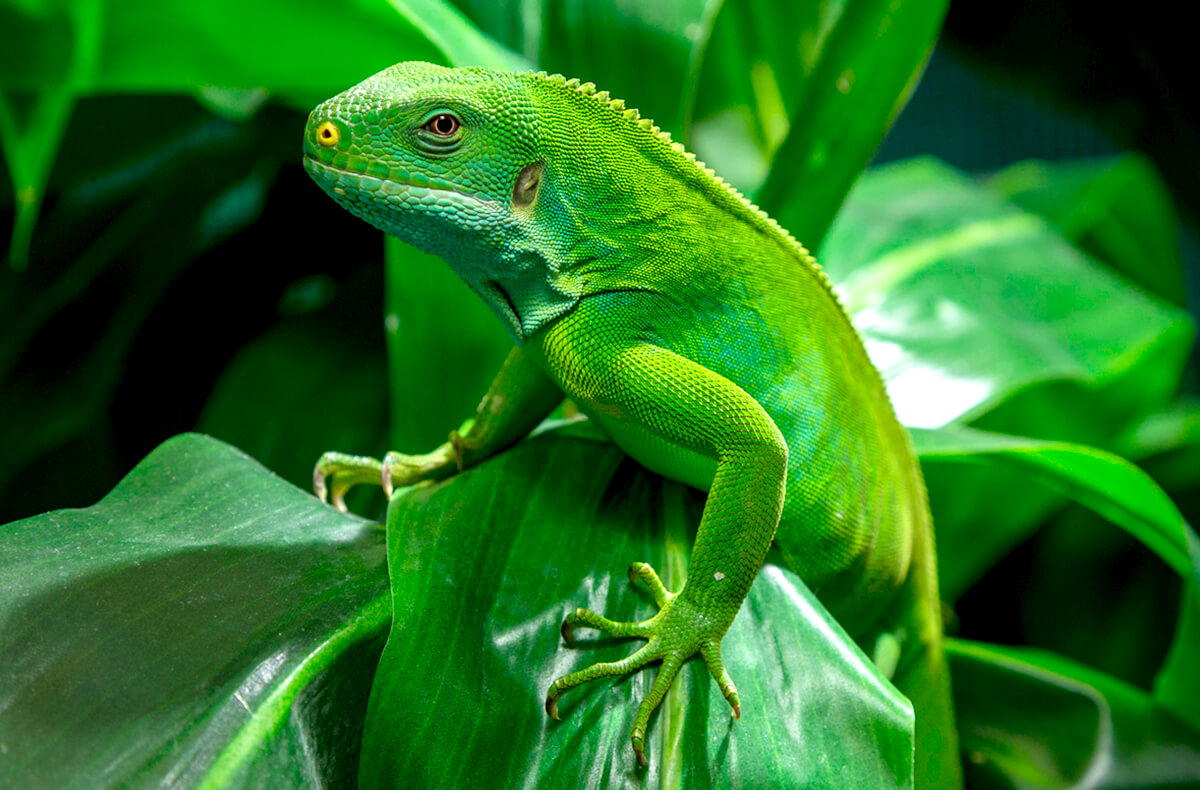
San Diego Zoo Wildlife Alliance has been working to conserve Fijian iguanas since 1965, when Prince Tupouto’ a-Tungi of Tonga presented six banded iguanas to the Zoo. We have learned much about Fijian iguanas and have been successful in breeding an assurance population in managed care—the most successful breeding colony outside Fiji—with more than 125 hatchlings born here since 1981. We are helping with efforts in Fiji to maintain a healthy assurance population, raising hatchlings until they are large enough to avoid predators (a process known as “headstarting”), and then releasing the juvenile iguanas into their island habitats.
Closer to home, and in partnership with the U.S. Geological Survey, we have been monitoring the biological diversity of the Biodiversity Reserve at the Safari Park since 2002. This monitoring project provides significant insights into the population ecology of the native wildlife living in the Reserve, including an abundance of native lizards including whiptails, side-blotch lizards, western fence lizards, granite spiny lizards, western skinks, and Gilbert’s skinks. It is amazing how many lizard species are native to our own backyard here in Southern California.
What can you do to help lizards in Southern California? Be water wise! Over watering our yards in San Diego attracts non-native Argentine ants, which then displace the native Southern California ants, which then causes the now-endangered San Diego horned lizard to starve. The San Diego Zoo and Safari Park are safe havens for illegally trafficked wildlife of all kinds—including reptiles. By supporting San Diego Zoo Wildlife Alliance, you are our ally in saving and protecting wildlife worldwide.