
Lynx and Bobcat

- CLASS: Mammalia (Mammals)
- ORDER: Carnivora
- FAMILY: Felidae
- GENUS: Lynx
- SPECIES: lynx (Eurasian lynx), pardinus (Spanish lynx), canadensis (Canadian lynx), rufus (bobcat)
ABOUT
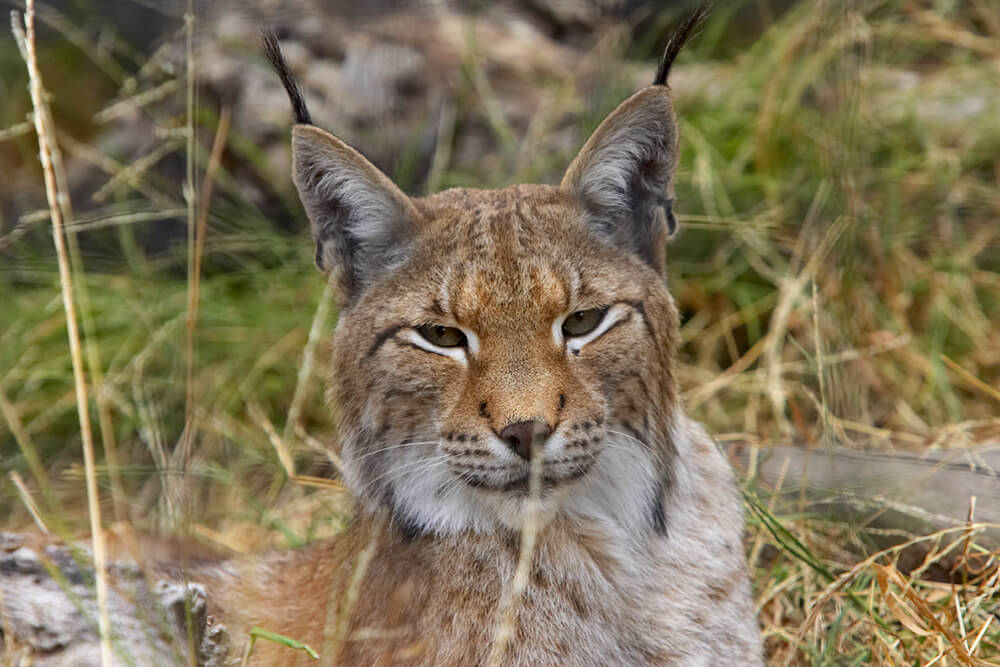
A lynx’s keen vision earns this cat legendary status in the myths of many cultures. In Greek, Norse, and North American myths, the lynx sees what others can’t, and its role is revealing hidden truths. Even the name lynx pays tribute to the cat’s eyes. It is believed to have come from the Greek word leukos meaning white or bright, possibly a reference to the way the lynx’s eyes shine in the dark due to a reflective structure, the tapetum lucidum. However, glowing eyes aren’t an exclusive trait of lynx—all cats, and many other animals, have them. So what sets this cat apart?
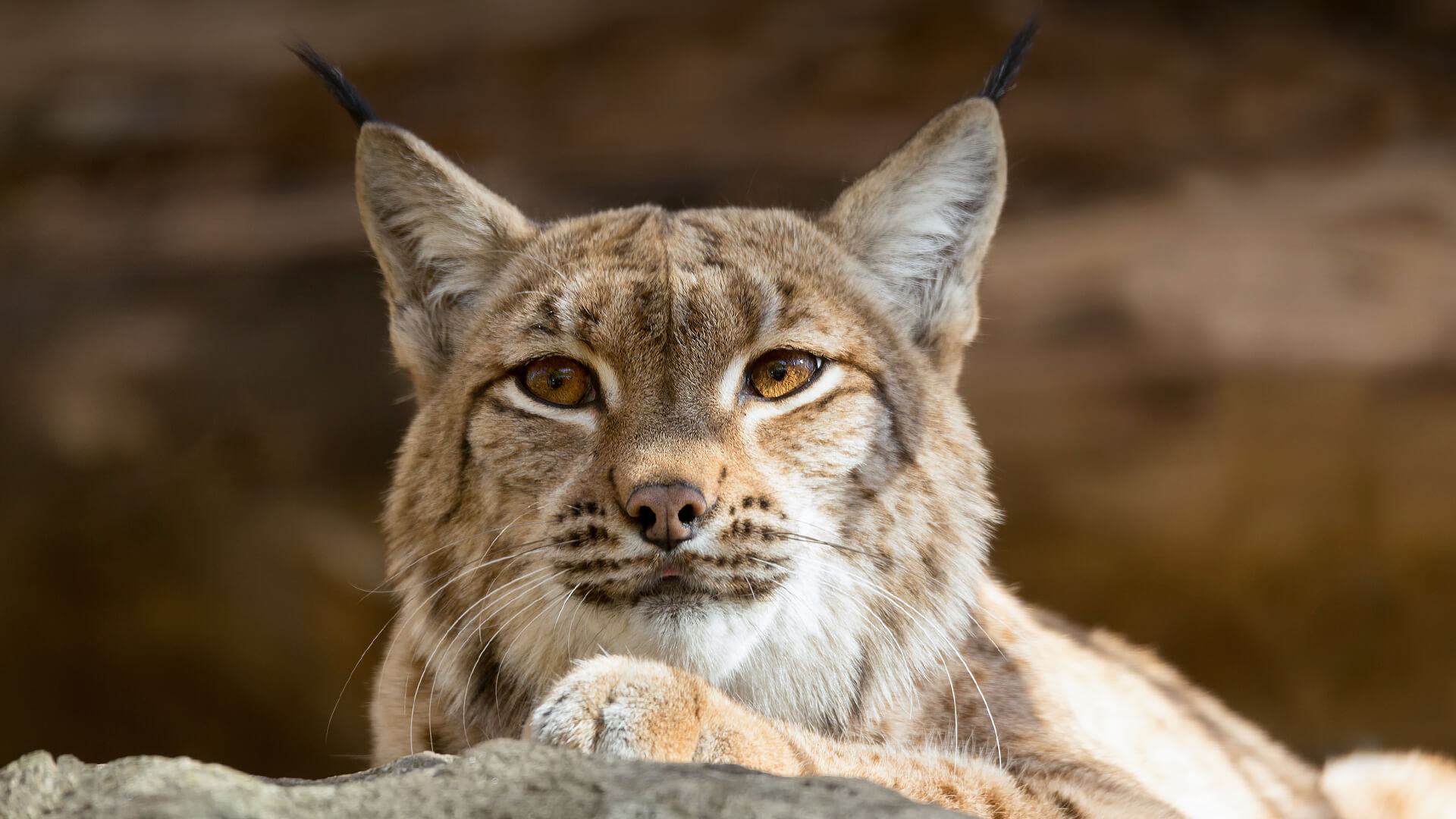
When it comes to identifying a cat as a lynx, it’s not the eyes that have it, but the ears. The lynx is known by the tuft of black hair on the tips of its ears and its short or bobbed tail. In fact, one species of lynx is called a bobcat! All lynx have these tufts, but their purpose isn’t completely clear. Some scientists think a lynx uses them like whiskers to detect things above its head. Others think the cluster of hairs enhances the cat’s hearing.
Long legs and a short tail are other traits that link a cat to the lynx group. Most lynx are found in areas that often have deep layers of snow for long periods of time, and their elongated limbs help them maneuver through the habitat. Hair on the underside of their broad paws provides traction on slippery surfaces. An exception is the bobcat Lynx rufus, which doesn’t have furry soles like other lynx and generally doesn’t live in areas of heavy snow.
HABITAT AND DIET
Connecting lynx: There are four lynx species.
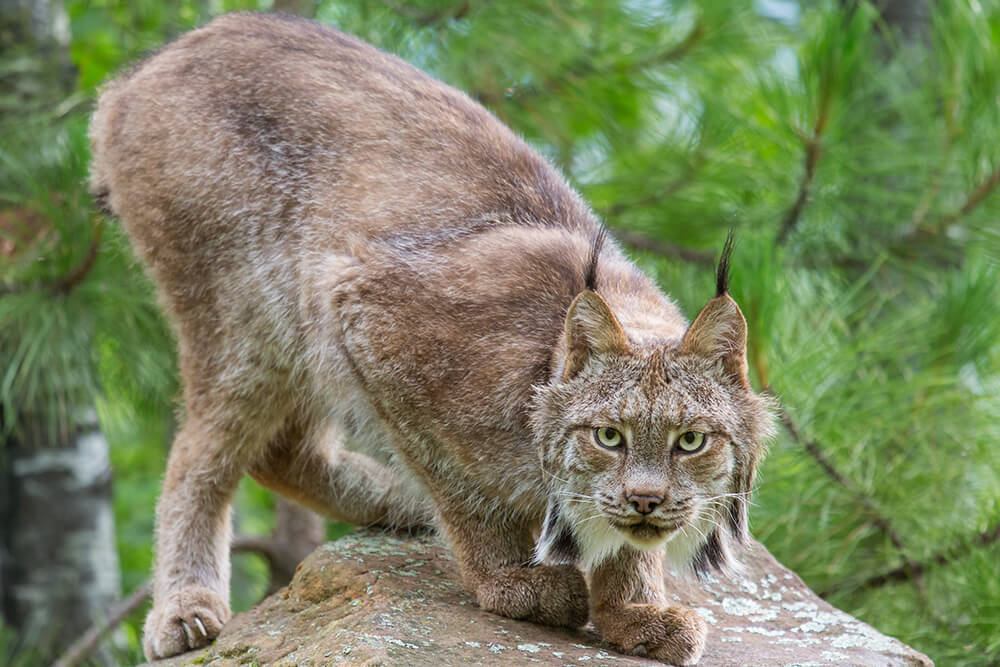
The Canadian lynx Lynx canadensis, found in Canada and the northern US (including Alaska), is also known as the North American lynx. It has extremely thick, light brown or gray fur with light black spots. Adult males are just slightly larger than the females. Features unique to the Canadian lynx include a black tail tip and huge paws with long, thick fur to keep the cat’s toes warm in the winter. It can spread its toes out wide like snowshoes for walking in soft snow. Canadian lynx live in dense forests where their main prey, the snowshoe hare, lives. Since the hares are nocturnal, so are the cats. These cats are so dependent on the snowshoe hare for survival that when the hare population drastically drops, so does the lynx population.
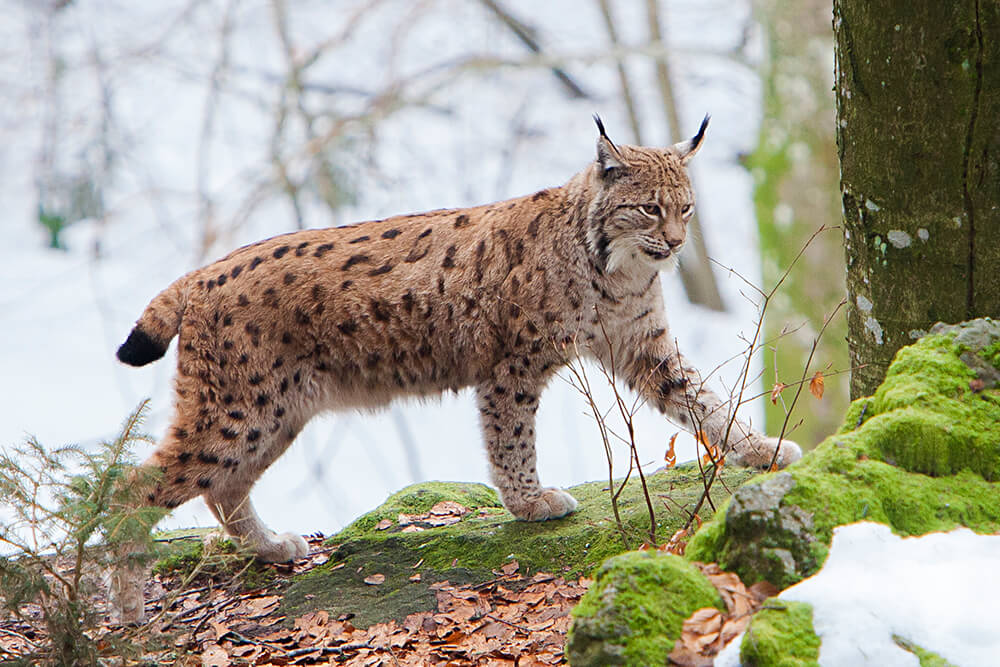
The Eurasian lynx Lynx lynx has long, thick, light-colored fur that is silky in the winter and shorter, thinner, and darker in the summer. This is the largest and most numerous of the lynx species, and it is the most widespread, currently found in 46 countries in Europe, northern Asia, and the Middle East! A subspecies of Eurasian lynx, the Siberian lynx, is the largest of all; some males can weigh up to 84 pounds (38 kilograms).
Large paws with fur on the soles give Eurasian lynx traction; long legs also help when walking in deep snow. These cats are good swimmers, too, and have been seen crossing rivers. Their preferred diet is deer and other ungulates. Eurasian lynx living in Russia's Ural Mountains follow the winter migration routes of roe deer, reindeer, and moose.
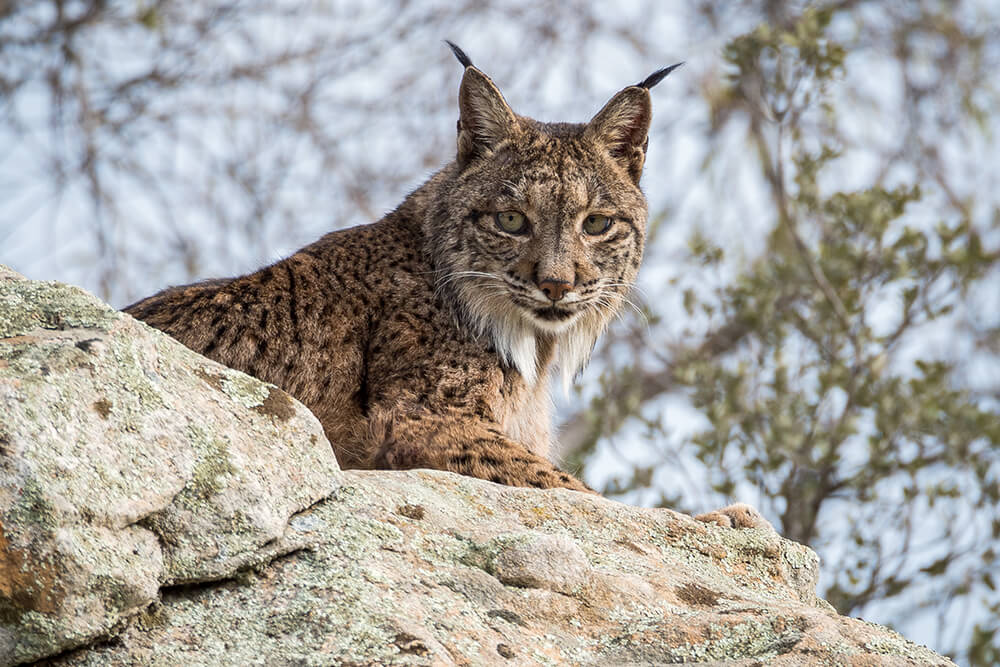
The Spanish or Iberian lynx Lynx pardinus evolved separately from the rest of the Old World lynx populations, isolated from the rest of Europe by the Pyrenees Mountains. It is about half the size of the Eurasian lynx and has the most spots on its coat. Its hair is short and coarse for the milder Mediterranean climate.
The most rare of the lynx and possibly the rarest of all cats, the Spanish lynx is found in Spain and Portugal only. It lives in an area where millions of migrating birds gather together each spring and fall; although rabbits are the mainstay of their diet, the cats hunt ducks and other low-flying birds at this time.
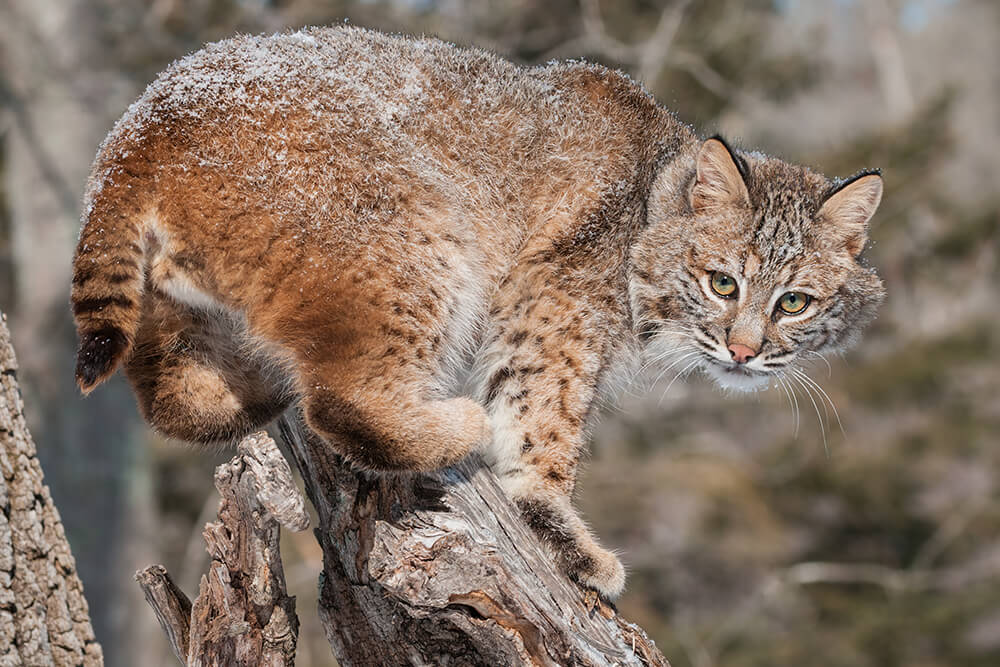
The bobcat is known by lots of names: wildcat, bay lynx, and lynx cat. Some people call it the spitfire of the Animal Kingdom, because it seems fearless and won't back down from a fight! Found throughout North America, it is our continent's most common native cat.
Bobcats look very similar to Canadian lynx. But bobcats have smaller feet and don't have the furry soles of the other lynx, so they are not as well equipped to live in areas of heavy snow. Bobcats are able to survive in a variety of habitats, from deserts to swamps to forests, as long as there are places where they can hide. They often live in rocky areas that give them shelter from extreme cold or heat.
Bobcats often compete with coyotes for the same food and shelter. They are good climbers and can escape up a tree, if needed, but they'd rather spend their time on the ground. Bobcats can swim if they have to, but it's not their first choice!
Although considered part of the small cat grouping, lynx are much larger than your average housecat, and males are about 25 percent larger than the females. The four lynx species are physically different from each other and have adapted to their various habitats.
Lynx hunt mainly at night, especially in areas near people, and their peak activity periods are at dawn and dusk. During the day, they usually hide and sleep in secluded haunts such as rock crevices, caves, or thick tangles of fallen trees and brush.
Mountain lions and fishers are the Canadian lynx and bobcat’s greatest enemy; the cats must also share habitat and prey with other predators, including bears, foxes, and coyotes. All lynx fiercely defend themselves when cornered, and although they typically avoid people, they may attack a human if threatened.
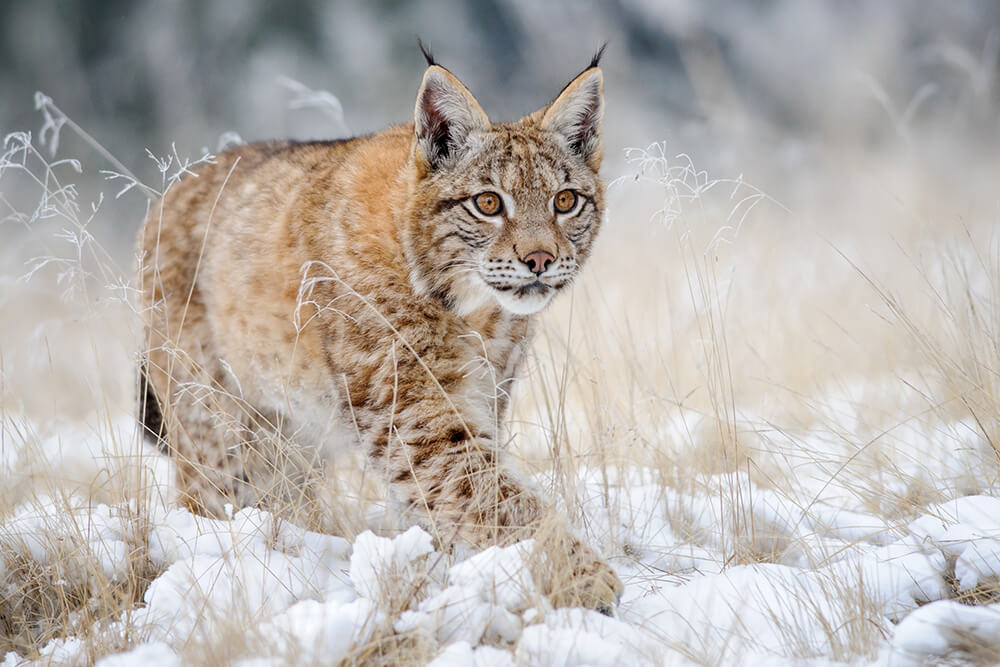
Like other cats, the lynx is a stalk-and-ambush hunter. It slowly sneaks up on its prey, such as a rabbit, while the prey is busy eating, and then pounces on its victim. The cat rarely chases after potential food, especially if the snow is deep. Instead, it hides behind tree stumps or rocks until a potential meal walks by. Depending on where it lives, the lynx feeds on pigs, beavers, rabbits and hares, rodents, or deer; some eat birds such as grouse.
Lynx at the San Diego Zoo are offered a nutritionally complete ground-meat diet made for zoo carnivores, plus a rib bone twice weekly, a rat and rabbit once a week, and beef heart.
FAMILY LIFE
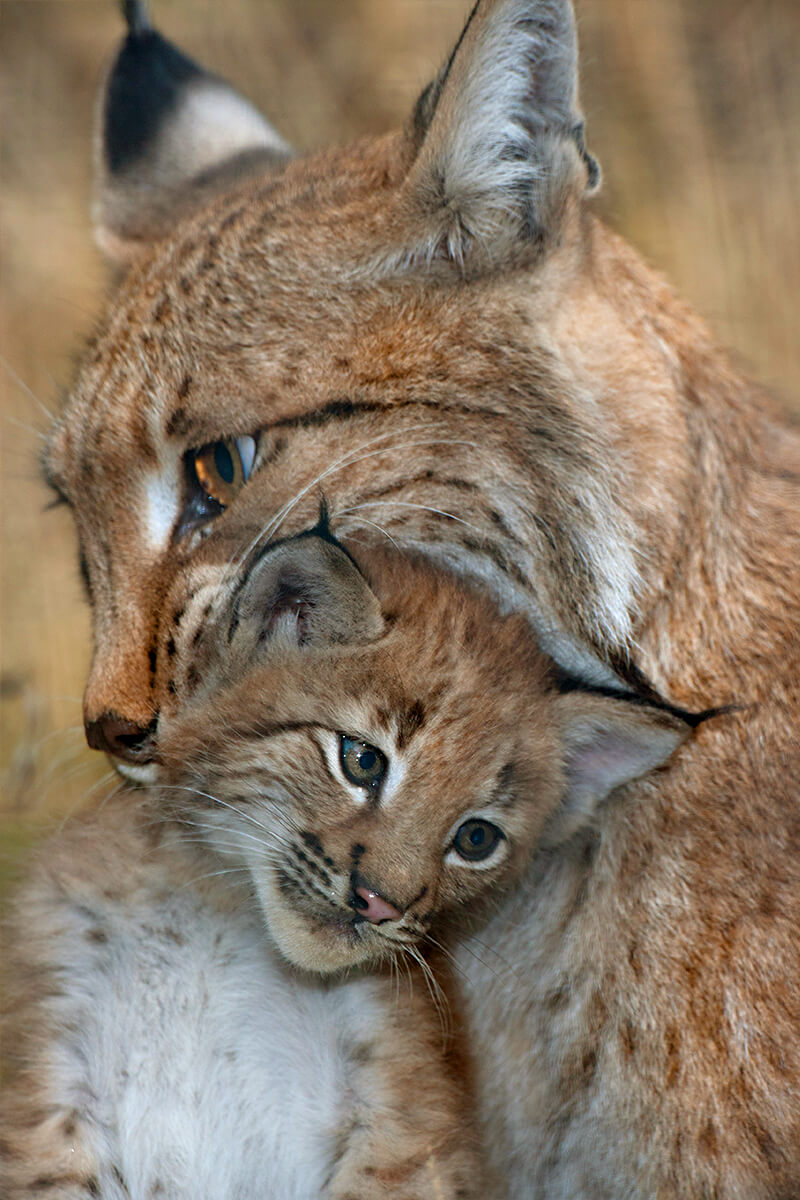
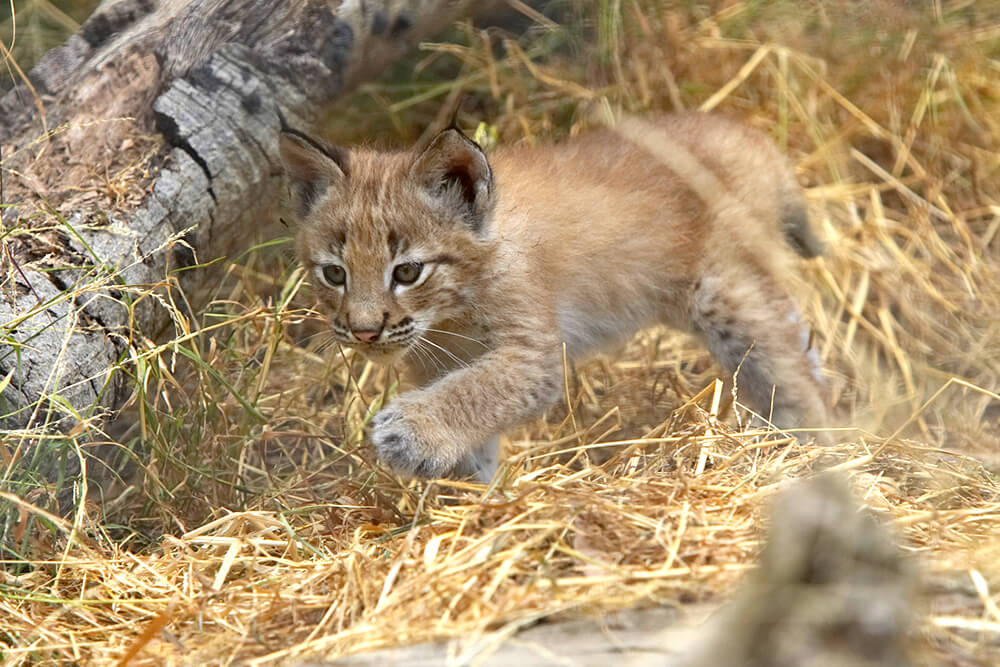
Lynx are solitary, with adults coming together only for breeding purposes. Lynx kittens are usually born in the early spring in dens under fallen tree branches, large tree roots, or in rock piles. There are usually one to four kittens in a litter, and the mother is a single parent.
Lynx kittens are born with their eyes closed and their ears folded. If there is a lot of food for the mother, the kittens grow quickly; if food is scarce, few kittens survive. Lynx kittens nurse for four to five months, and during the last few weeks of nursing, they also start eating solid food. Researchers recently discovered that one kitten may kill a littermate at about the same time it is weaned from milk to meat, but we don't yet know the reason for this.
Young lynx can fend for themselves at the age of 10 months, but they usually hang out with their mother for up to a year and don't reach adult size until they are 2 years old. Sometimes siblings that have just left their mother travel and hunt together for several months before going their separate ways.
Lynx can make a variety of sounds similar to those made by a house cat: mews, yowls, spits, and hisses. And just like our own kitties, they can also purr. A mother lynx often purrs while nursing or cleaning her kittens. Lynx usually yowl and growl most often during the breeding season. The cats also use scent marks, facial expressions, and different ear positions to help get their message across to other lynx.
CONSERVATION
The world is not a safe place for lynx right now. They are having a harder time finding food as more people move into the cats' habitats. And in some areas, their forest homes are being cut down for agricultural uses. Hunting is still a problem for these beautiful cats, too. The soft, luxurious coat that keeps lynx warm and comfortable in the colder months is also popular in the fur industry, especially the lighter-colored belly fur. It is estimated that about 90,000 bobcat and lynx pelts are sold each year to fur markets. We think the coats look much better on the cats!
The Spanish lynx population currently numbers less than 150 individuals. Sadly, this makes them one of the rarest of all cats, and probably the most endangered carnivore in Europe. What caused their decline? The loss of their main food source—rabbits. In the 1950s, a doctor released a disease called myxomatosis to control the rabbit population in his garden. It worked too well, and the rabbit population was almost wiped out. Ironically, conservationists are now breeding rabbits and vaccinating them against the disease to replenish the rabbit populations and help feed the lynx.
By supporting San Diego Zoo Wildlife Alliance, you are our ally in saving and protecting wildlife worldwide.